
Engineering Jobs in Germany are back in the spotlight: on 24 November 2026, the German Economic Institute (IW) published its MINT autumn report, which puts Germany’s skills gap in science, technology, engineering and maths at 166,900 people in October 2026, up 12.4% from a year earlier.
At the same time, the number of unemployed engineers and IT specialists is rising. So are engineering jobs in Germany still a good bet for an Indian engineer in 2027? Yes, if you target the right fields and prepare well. This guide explains where the demand is, what engineers earn, how degree recognition works, which visa to choose, and how to land an offer from India.
Table of Contents
Engineering Jobs in Germany: Key Facts at a Glance
- MINT skills gap: 166,900 people in October 2026 (41,900 in academic expert roles), per the IW MINT autumn report
- Engineering and IT jobs: 105,340 open positions vs. 65,427 unemployed in Q3 2026 (VDI/IW Ingenieurmonitor)
- Biggest shortages: energy & electrical, metalworking, mechanical & automotive engineering, construction
- Indians in academic STEM jobs: about 32,900, the largest group of any foreign nationality
- Blue Card salary floor 2026: €45,934.20 gross a year for engineers (shortage occupation); €50,700 for other jobs
- Degree check: anabin (university H+, degree “entspricht/gleichwertig”) or ZAB Statement of Comparability (€208)
- German language: not legally required for most engineering jobs, but B1+ makes a big difference
Engineering Jobs in Germany: What the New MINT Report Says
The MINT-Herbstreport 2026, prepared by the IW for employer groups and the National MINT Forum, is the most closely watched yearly snapshot of Germany’s technical labour market. Its key finding: after three years of a weak economy, the shortage is growing again. Since July 2026, the gap has widened compared with the same month of the previous year, four months in a row.
In October 2026 there were about 393,900 vacancies in MINT occupations, while 269,313 people were registered as unemployed and looking for MINT work. After matching qualifications, the report counts 166,900 positions that simply cannot be filled. Here is how that gap, which shapes engineering jobs in Germany, breaks down:
| Qualification level | Unfilled positions (Oct 2026) | What it means |
|---|---|---|
| Skilled trades (Facharbeiter) | 111,200 | Technicians, electricians, mechatronics: vocational training level |
| Experts (Experten) | 41,900 | University engineers, computer scientists, natural scientists |
| Specialists (Spezialisten) | 13,800 | Master craftsmen, certified technicians, bachelor-level roles |
| Total | 166,900 | +12.4% vs. October 2025 (148,500) |
Notice that the biggest gap is at the vocational level. If you have a diploma rather than a degree, read our guide to Ausbildung in Germany, which is a paid route into many of these technical jobs.
A Two-Speed Market for Engineers
The report has a twist. According to the VDI (Association of German Engineers), unemployment in engineering and IT occupations rose by 13.7% to 65,427 in the third quarter of 2026. Yet open positions also rose by 5.9% to 105,340. Companies are not short of engineers in general; they are short of engineers with the right skills: electrification, automation, software in machines, and AI.
For anyone chasing engineering jobs in Germany, this means a generic CV saying “mechanical engineer, 3 years” is no longer enough. A CV showing PLC programming, battery systems, power electronics or building services engineering stands out immediately.
Which Engineering Jobs in Germany Are Most in Demand?
The MINT report lists the largest shortages by field. The ranking below is a good map of engineering jobs in Germany for choosing your specialisation, your Master’s, or the companies you target:
| Field | Shortage (Oct 2026) | Typical job titles |
|---|---|---|
| Energy & electrical engineering | 54,200 | Electrical engineer, power systems engineer, automation engineer, electrician |
| Metalworking | 39,100 | Production engineer, welding engineer, CNC specialist |
| Mechanical & automotive engineering | 36,600 | Design engineer, test engineer, mechatronics engineer |
| Construction | 26,200 | Civil engineer, structural engineer, site manager, HVAC engineer |
The official Make it in Germany portal adds research and development, automation technology, construction planning, electromobility and autonomous driving, renewable energy, and artificial intelligence as particularly strong areas. It also reports that more than 76,000 engineering vacancies remained unfilled in 2025.
Hot Niches for Indian Engineers
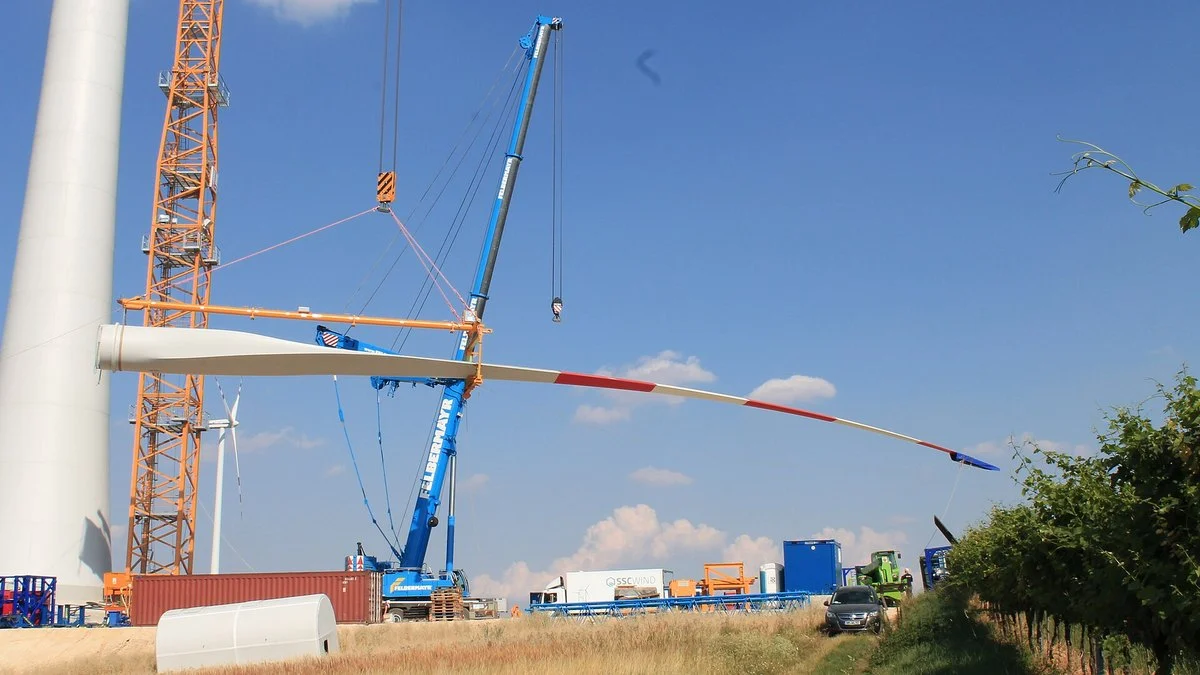
- Electrical and power engineering: grid expansion, wind and solar projects, substations, heat pumps
- Automation and mechatronics: PLC (Siemens TIA Portal), robotics, industrial IoT
- Automotive software and E/E architecture: AUTOSAR, embedded C, battery management systems
- Civil and building services (TGA): HVAC, energy-efficient building, infrastructure renovation
- Data and AI in engineering: predictive maintenance, simulation, computer vision for quality control
Software engineers and IT specialists are covered by the same shortage rules. If you are still deciding on a degree, our list of tuition-free Master’s programmes in computer science is a good starting point.
Indians Are Germany’s Biggest STEM Success Story
Indian engineers are no longer a niche when it comes to engineering jobs in Germany. The MINT autumn report shows that India now leads all foreign nationalities in academic MINT jobs, with about 32,900 employees, ahead of Turkey (15,500), China (10,800) and Russia (10,600). Earlier IW research found that this group grew by roughly 776% between 2012 and 2024.
| Indicator | Value | Source |
|---|---|---|
| Indians in academic MINT jobs (Q1 2026) | ≈ 32,900 | IW MINT autumn report 2026 |
| Median gross monthly pay, Indian full-time employees (end 2024) | €5,393 | IW short report 1/2026 |
| Median gross monthly pay, Indians aged 25–44 in academic MINT jobs | €6,172 | IW short report 1/2026 |
| Median gross monthly pay, all German full-time employees | €4,177 | IW short report 1/2026 |
| Foreign engineers working in Germany (2025) | 120,702 | Make it in Germany |
Indian full-time workers have the highest median salary of any nationality in Germany. The main reason is that almost a third of them work in academic MINT occupations.
Engineering Salaries in Germany: What Can You Expect?
There is no single salary for engineering jobs in Germany. Pay depends on field, region, company size, collective agreements (for example IG Metall in the metal and electrical industry) and experience. The official figures above give you a realistic anchor: Indians aged 25 to 44 in academic MINT jobs earned a median of €6,172 gross a month at the end of 2024, which is about €74,000 a year including bonuses.
Entry-level offers are lower. As a rule of thumb, your offer should at least clear the EU Blue Card threshold, because that is also what immigration authorities treat as a fair salary for a graduate engineer. For the take-home view, see our guide on German tax classes and budget for health insurance in Germany, which is deducted from gross pay.
Blue Card Salary Thresholds for Engineers
| Case | 2026 gross per year | Planned for 2027 |
|---|---|---|
| Shortage occupations incl. engineers, IT, natural scientists | €45,934.20 | €48,108.60 |
| Recent graduates (degree less than 3 years old) | €45,934.20 | €48,108.60 |
| All other occupations | €50,700 | €53,100 |
The 2027 values follow from the new pension contribution ceiling and apply from 1 January 2027. We explain the change in detail in our Blue Card Germany 2027 guide. Always check the official EU Blue Card page on Make it in Germany before you sign a contract.
Degree Recognition for Engineering Jobs in Germany
Before applying for engineering jobs in Germany or any visa, you must show that your Indian degree is comparable to a German one. For most engineers this is quick and does not need a full recognition procedure, because “engineer” is generally not a regulated profession in Germany.
Step 1: Check anabin
anabin is the official database of foreign qualifications. Your degree is accepted for the Blue Card if your university is rated H+ and your degree is listed as “entspricht” or “gleichwertig”. If the university is rated H+/-, your exact programme must be named in the entry. Print the anabin pages; they are usually enough for the visa.
Step 2: Get a ZAB Statement of Comparability if Needed
If your university or programme is missing, apply online to the Central Office for Foreign Education (ZAB) for a Statement of Comparability. According to the official ZAB fee page, it costs €208 and can be paid by card or PayPal. In the employer-led fast-track procedure, ZAB processes it within two months.
Step 3: Permission to Use the Title “Ingenieur”
The professional title “Ingenieur/in” is protected by state law. To call yourself an engineer on business cards or in signatures with a foreign degree, you may need permission from the engineering chamber (Ingenieurkammer) of your federal state. This is about the title, not about doing the job: you can usually work and get your visa with anabin or ZAB proof alone.
Visa Routes for Engineering Jobs in Germany
For engineering jobs in Germany, choose your visa based on whether you already have an offer:
| Route | Best for | Key requirement |
|---|---|---|
| EU Blue Card (§ 18g) | Engineers with a job offer | Recognised degree + salary of at least €45,934.20 (2026) |
| Skilled worker visa (§ 18b) | Offers below the Blue Card threshold | Recognised degree + qualified job; 45+ need €55,770 or pension proof |
| Opportunity Card (§ 20a) | Job hunting in Germany without an offer | Points system or full recognition; proof of funds |
| Student visa + job search | Freshers who want a German degree | University admission, blocked account; 18 months to find a job after graduation |
With an offer in hand, the Germany work visa process for Indians is straightforward. Without one, the Opportunity Card lets you spend up to a year in Germany looking for work and do trial jobs; our Chancenkarte guide for Indians walks through the points. For details on pay floors outside the Blue Card, see our minimum salary rules for non-EU workers.
Long-term visa applications for employment can now be filed on the Federal Foreign Office’s Consular Services Portal. The national visa fee in India is ₹7,900 for adults, as updated by the German missions in November 2026.
Fast Track to Permanent Residency
Blue Card holders can get a settlement permit after 27 months with A1 German, or after just 21 months with B1. That is one of the fastest routes to permanent residency in Europe. Read our Germany permanent residency guide for all the paths.
How to Land Engineering Jobs in Germany from India: 8 Steps
- Pick a shortage niche. Match your experience to energy, automation, automotive E/E, construction or data/AI.
- Check recognition early. Print anabin entries or order a ZAB statement before you apply; employers like to see it.
- Write a German-style CV. Two pages, tabular, photo optional, with exact dates, tools and measurable results.
- Learn German to at least B1. Many English-language jobs exist in R&D and tech firms, but plant, construction and Mittelstand jobs often expect German.
- Search the right portals. Find engineering jobs in Germany on the Federal Employment Agency job board, Make it in Germany job listings, StepStone, LinkedIn, and company career pages of Siemens, Bosch, Continental, ZF, Infineon and mid-sized “hidden champions”.
- Prepare for technical interviews. Expect case questions, a technical test, and questions about safety standards (DIN/EN/ISO).
- Negotiate with data. Use the Federal Employment Agency’s Entgeltatlas for pay by job and region; make sure the offer clears the Blue Card floor.
- Apply for the visa and plan arrival. Book your appointment, then plan housing and registration.
Once you arrive, register your address within 14 days (our Anmeldung guide) and start your flat search early with our apartment hunting tips.
Engineering Jobs in Germany: Application Checklist
- ☐ Passport valid for the whole stay
- ☐ Degree certificate and transcripts (plus anabin printout or ZAB statement)
- ☐ Signed employment contract or binding job offer with salary and job description
- ☐ CV in German or English and experience letters
- ☐ Language certificates (German and/or English), if available
- ☐ Health insurance proof from your start date
- ☐ Declaration of employment relationship (Erklärung zum Beschäftigungsverhältnis), filled in by the employer
Students: A Smart Back Door into Engineering Jobs in Germany
Many Indian engineers reach engineering jobs in Germany through a Master’s. Public universities charge no tuition in most states, and as a working student (Werkstudent) you can gain German experience at an engineering company for up to 20 hours a week during lectures. After graduating, you get up to 18 months to find a job, and the lower Blue Card threshold for recent graduates applies. See our guide to studying in Germany for free.
Challenges to Plan For
- Economic slowdown in industry: parts of the automotive and metal sector are cutting jobs; IG Metall held 24-hour warning strikes in November 2026. Target growing segments rather than legacy combustion-engine roles.
- Language barrier: the VDI notes that matching skills to the job matters more than ever, and German often decides that match in plants and on construction sites.
- Slow hiring: Hiring for engineering jobs in Germany can take two to three months from application to signed contract.
- Recognition gaps: some private or newer Indian colleges are not rated H+; get your ZAB statement before you spend on applications.
Are engineering jobs in Germany still in demand in 2027?
Yes. The IW MINT autumn report counts a gap of 166,900 STEM workers in October 2026, up 12.4% in a year. Demand is strongest in energy and electrical, metalworking, mechanical and automotive engineering, and construction.
Do I need German to get an engineering job in Germany?
German is not legally required for most engineering jobs or for the EU Blue Card. Many R&D and tech roles use English, but B1 German or higher greatly improves your chances, especially in manufacturing and construction.
What is the minimum salary for an engineer’s Blue Card in 2026?
Engineers count as a shortage occupation, so the 2026 threshold is €45,934.20 gross per year. It is planned to rise to €48,108.60 from 1 January 2027.
Do I need recognition of my Indian engineering degree?
You need proof of comparability. If anabin rates your university H+ and your degree as “entspricht” or “gleichwertig”, printouts are usually enough. Otherwise get a ZAB Statement of Comparability, which costs €208.
How much do Indian engineers earn in Germany?
According to the IW, Indians aged 25 to 44 in academic STEM jobs earned a median of €6,172 gross per month at the end of 2024. Entry-level salaries are lower and depend on field and region.
Can I go to Germany to look for engineering jobs without an offer?
Yes. The Opportunity Card lets skilled workers stay up to one year to look for work and do trial jobs, if they meet the points or recognition requirements and can prove funds.
Conclusion
Engineering Jobs in Germany remain one of the strongest career moves for Indian graduates, but the market has become more selective. The new MINT report shows a growing gap of 166,900 workers alongside rising unemployment among engineers whose skills do not match. Focus on electrification, automation, automotive software, construction or AI, get your anabin or ZAB proof early, learn German to B1, and make sure your offer clears the Blue Card floor.
Do that, and Germany offers high pay and a fast path to permanent residency. Bookmark this guide and check official sources before every step.
Featured image based on a photo of the BMW Leipzig body shop by BMW Werk Leipzig, licensed under CC BY-SA 2.0 DE via Wikimedia Commons (cropped, text added).


